
This post may contain affiliate links. As an Amazon Associate, we earn from qualifying purchases. We only recommend products we trust.
If you’ve been anywhere near food trends lately, you’ve likely seen the magic of Baked Feta Eggs. This simple yet genius dish takes the salty, tangy richness of feta cheese and pairs it with perfectly set eggs for a high-protein breakfast that feels like a luxury Mediterranean brunch. It’s a one-pan wonder that relies on the “feta-frying” technique—where the cheese melts and crisps up in the pan, creating a savory crust that cradles the egg.
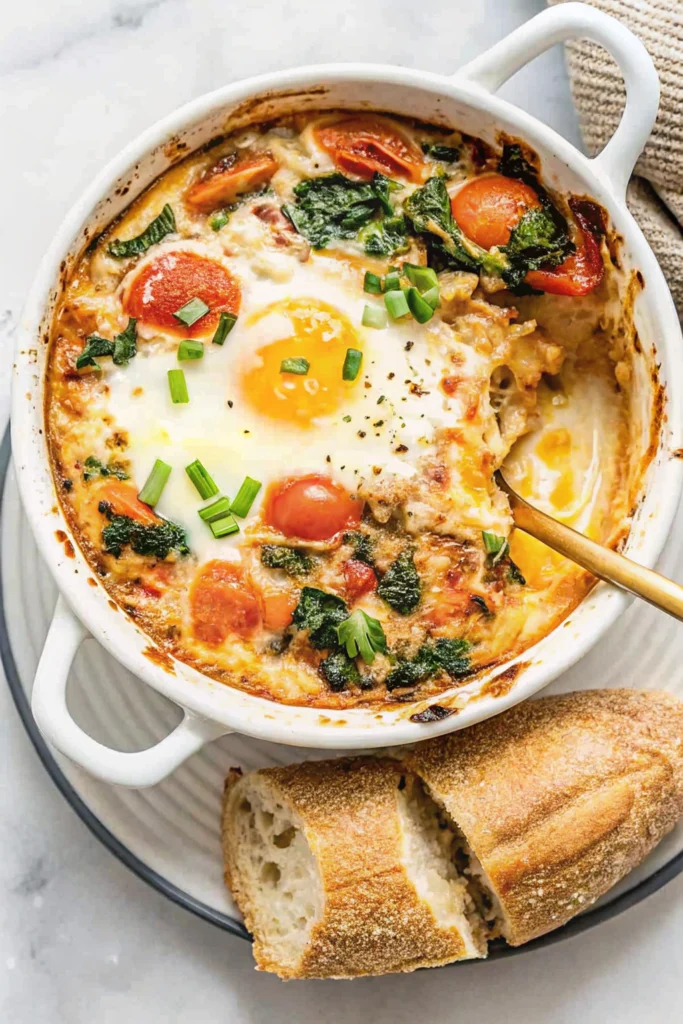
In my professional kitchens, we often looked for dishes that delivered maximum flavor with minimal cleanup, and this recipe is the gold standard. By surrounding the eggs with a ring of crumbled feta and a pinch of chili flakes, you get a beautiful contrast of textures: crispy cheese edges and a luscious, runny yolk. Whether you serve it on sourdough toast or inside a warm tortilla, these Mediterranean baked eggs are about to become your new morning obsession.
Table of Contents
Why You’ll Love Baked Feta Eggs
- Lightning Fast: From pan to plate in under 10 minutes.
- One-Pan Cleanup: No messy bowls or complicated equipment; everything happens in one small skillet.
- Low-Carb & High-Protein: A naturally keto-friendly and gluten-free breakfast that keeps you full for hours.
- Incredible Flavor Profile: The combination of salty feta, rich egg yolk, and a hint of spice is a culinary trifecta.
- Versatile: It works just as well for a quick solo lunch or a late-night savory snack as it does for breakfast.
What are Baked Feta Eggs?
Inspired by the “Fried Feta” trend (often called Saganaki in Greek cuisine), this dish simplifies the process. Instead of breading the cheese, we crumble it directly into a hot, oiled pan. As the feta heats, its moisture evaporates, leaving behind a concentrated, salty crust that browns beautifully.
When the eggs are cracked into the center of this cheese ring, they steam and fry simultaneously. The result is a dish that mimics the flavors of a Shakshuka but with a focus on the salty-creamy interaction of the cheese and yolk rather than a tomato base. It’s Mediterranean simplicity at its absolute best.
Ingredients for Baked Feta Eggs
Since this recipe has so few components, the quality of your feta and olive oil will make or break the dish.
Core Ingredients:
- 2 Large Eggs: Organic or pasture-raised eggs provide those deep orange yolks that look stunning against the white cheese.
- 2 oz Feta Cheese (approx. ¼ cup): I highly recommend Greek Feta in Brine (made from sheep’s milk). It has a higher fat content and browns better than pre-crumbled varieties.
- 1 tbsp Extra Virgin Olive Oil: Use a robust, peppery oil to complement the tangy cheese.
- ¼ tsp Red Pepper Flakes (Aleppo pepper is a great alternative): For a gentle, warm heat.
- Fresh Herbs: A handful of fresh dill, parsley, or chives for brightness.
- Salt & Black Pepper: Season the eggs lightly—remember, the feta is already quite salty!
Optional Garnishes:
- Sliced Avocado: For extra healthy fats and creaminess.
- Pickled Red Onions: To add a bright, acidic pop.
- Microgreens: For a restaurant-quality finish.
- Sourdough or Pita: Essential for dipping into those yolks.
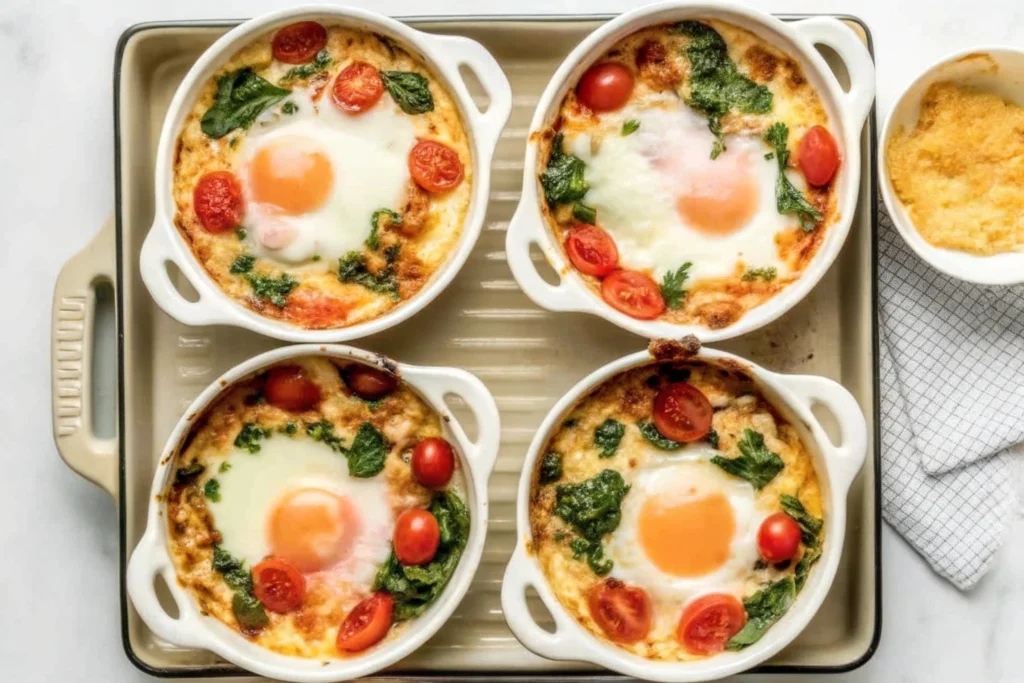
Step-by-Step Instructions: How to Make Baked Feta Eggs
Step 1: Prep the Pan
Place a small (8-inch) non-stick skillet or cast-iron pan over medium heat. Add the extra virgin olive oil and swirl to coat the bottom of the pan evenly.
Step 2: Create the Feta Ring
Crumble the feta cheese into the pan, forming a circle or “nest” leaving two empty spaces in the center for the eggs. Sprinkle the red pepper flakes over the cheese. Let the feta sizzle for about 1-2 minutes until you see the edges starting to turn a light golden brown.
Step 3: Add the Eggs
Carefully crack the two eggs into the center of the feta nests. Lower the heat to medium-low to ensure the bottom of the cheese doesn’t burn before the egg whites are set. Pro Tip: If you want the whites to set faster without overcooking the yolks, place a lid over the pan for 60 seconds.
Step 4: Season and Cook
Season the yolks with a tiny pinch of salt and a generous crack of black pepper. Continue to cook for 3-4 minutes, or until the whites are opaque and the cheese is crispy and browned on the bottom.
Step 5: The “Crispy Flip” (Optional)
If you like your eggs “over-easy,” you can carefully flip the entire feta-egg disc, but most prefer it sunny-side up to keep the presentation beautiful.
Step 6: Garnish and Serve
Slide the baked feta eggs onto a plate or serve them directly in the skillet. Top with a shower of fresh herbs and serve immediately with your choice of bread or avocado.
The Science: Why Feta Doesn’t Fully Melt
Unlike mozzarella or cheddar, feta is an “acid-set” cheese. This means the proteins are tightly bonded and won’t flow into a liquid puddle when heated. Instead, feta softens and then undergoes the Maillard reaction, where the proteins and sugars brown and crisp up. This is exactly why it’s the perfect cheese for this recipe—it provides structure and crunch!
Pro Tips for Perfect Eggs
- Don’t Over-Salt: Feta is naturally very high in sodium. I usually skip salting the cheese and only add a tiny bit to the egg yolks themselves.
- Control the Heat: If the cheese is smoking, your heat is too high. You want a steady sizzle, not a sear.
- The Lid Trick: Using a lid creates a mini-oven effect, which is the secret to getting that perfect “soft-set” white while keeping the yolk runny.
- Fresh Feta: If using feta from a block, pat it dry with a paper towel before crumbling to ensure it crisps up rather than steams.
Creative Variations
- Pesto Feta Eggs: Swirl a tablespoon of basil pesto into the oil before adding the cheese.
- Tortilla Wrap: Once the eggs are nearly set, place a small flour tortilla directly on top of the eggs in the pan, press down, and then flip the whole thing for a “feta egg taco.”
- Tomato & Basil: Add a few halved cherry tomatoes to the pan with the feta for a burst of sweetness.
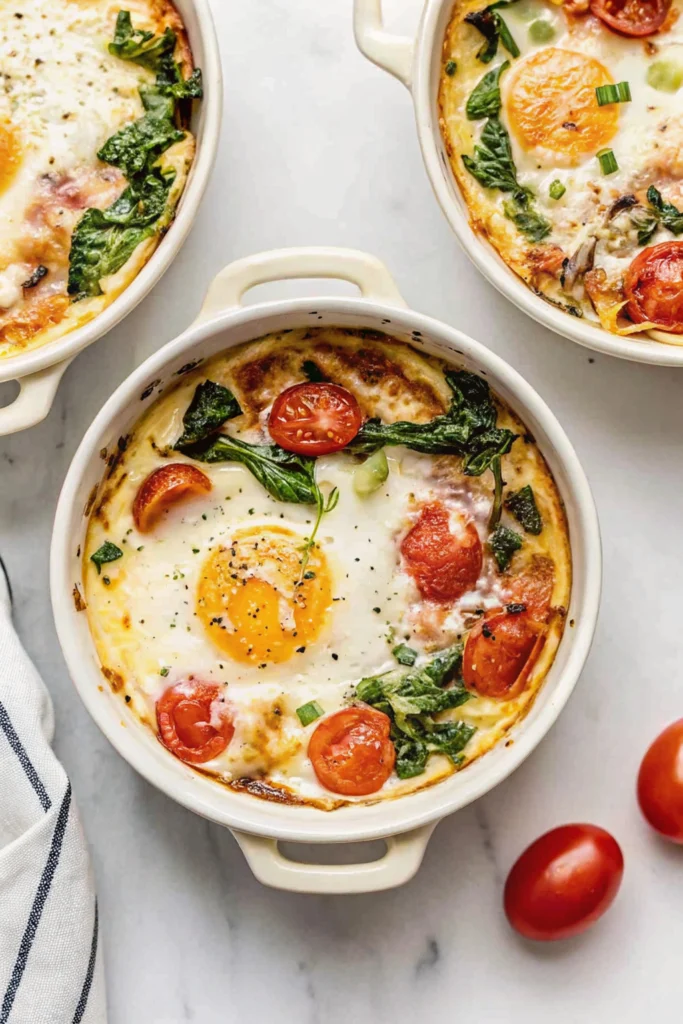
How to Store and Make-Ahead
- To Store: This dish is best eaten fresh. If you do have leftovers, keep them in an airtight container in the refrigerator for up to 1 day, but the cheese will lose its crispness.
- Make-Ahead: You can crumble your feta and chop your herbs ahead of time to make your 5-minute breakfast even faster!
Serving and Presentation Ideas
- Breakfast Tacos: Serve inside charred corn tortillas with plenty of hot sauce and lime.
- The Sourdough Dip: Place the eggs on a thick slice of toasted sourdough and break the yolks so they soak into the bread.
- Low-Carb Style: Serve over a bed of sautéed spinach or arugula for a fresh, light lunch.
Frequently Asked Questions
Q: My feta didn’t get crispy. What happened? A: This usually means the pan wasn’t hot enough when you added the cheese, or there was too much moisture. Try patting the cheese dry next time and ensuring the oil is shimmering before adding the feta.
Q: Can I use other cheeses? A: While you can use goat cheese or halloumi, feta provides the most iconic “crispy ring” effect. Halloumi won’t crumble as easily, and goat cheese will be much creamier and softer.
Q: Is this dish spicy? A: With ¼ tsp of red pepper flakes, it has a very mild warmth. If you are sensitive to spice, feel free to omit them or swap for smoked paprika.

Crispy Feta Eggs
Equipment
- 8-inch non-stick skillet or cast iron pan
- Silicone spatula
- lid optional, for steaming eggs
Ingredients
- 1 tbsp extra virgin olive oil
- 2 oz feta cheese (crumbled)
- 2 large eggs
- 0.25 tsp red pepper flakes
- pinch of salt
- black pepper
- 1 tbsp fresh herbs (dill, parsley, or chives)
- sourdough toast or avocado (optional for serving)
Instructions
- Add olive oil to an 8-inch non-stick skillet over medium heat.
- Crumble the feta into the pan, forming a ring with two empty spaces in the center. Sprinkle with red pepper flakes.
- Cook the feta for 1–2 minutes until sizzling and the edges begin turning golden.
- Crack the eggs into the open spaces in the center of the feta ring and lower the heat to medium-low.
- Season lightly with salt and black pepper. Cook for 3–4 minutes, covering for 1 minute if you prefer firmer whites.
- Once the whites are set and yolks remain runny, slide onto a serving plate.
- Top with chopped fresh herbs and serve immediately with toast or avocado if desired.