
This post may contain affiliate links. As an Amazon Associate, we earn from qualifying purchases. We only recommend products we trust.
This homemade stovetop macaroni and cheese is the ultimate comfort food made with a creamy cheese sauce, tender pasta, and no baking required. This easy stovetop mac and cheese recipe uses a classic béchamel sauce (white sauce) combined with sharp cheddar and fontina cheese for incredibly rich, creamy results in just 20 minutes. Far superior to boxed mac and cheese, this homemade version delivers restaurant-quality flavor with simple ingredients and straightforward technique that anyone can master.
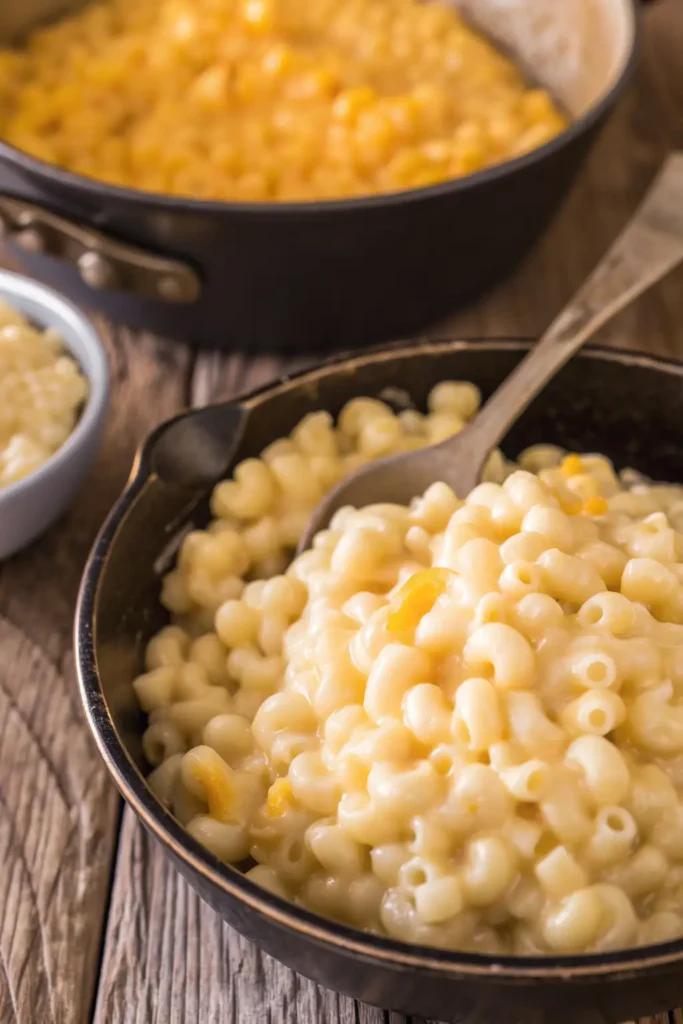
What makes this the best stovetop mac and cheese is the combination of two cheeses and proper technique. Using both cheddar and fontina (or gruyere) creates complex flavor and superior melting properties. The secret is making a proper roux-based cheese sauce that coats every piece of pasta with velvety smoothness. Unlike baked mac and cheese that can dry out, this stovetop version stays luxuriously creamy from the first bite to the last. It’s ready faster than preheating an oven and tastes infinitely better than anything from a box.
Table of Contents
Why This Stovetop Mac and Cheese Recipe is the Best
This recipe delivers everything you want in mac and cheese without the wait time of baked versions. The stovetop method means you can have creamy, cheesy pasta on the table in about 20 minutes—perfect for busy weeknights or when you need comfort food fast. The simple white sauce technique ensures smooth, lump-free results every time, even for beginner cooks.
The flavor is remarkably rich and sophisticated. Sharp cheddar provides that classic mac and cheese taste everyone loves, while fontina adds nutty, buttery notes that elevate the dish beyond ordinary. The combination creates restaurant-quality flavor that kids and adults both adore. Many people who try this recipe say they’ll never go back to boxed mac and cheese again.
This recipe is also wonderfully versatile. You can customize the cheese blend to your preferences, add mix-ins like bacon or vegetables, adjust the consistency to your liking, and scale it up or down easily. It reheats beautifully, making it perfect for meal prep or leftovers. The straightforward technique builds confidence for beginner cooks while delivering results that please everyone.
Ingredients for Stovetop Macaroni and Cheese
Cheese Sauce:
- 1/4 cup unsalted butter (50g)
- 1/4 cup all-purpose flour (32g)
- 1/4 teaspoon salt
- Dash of black pepper
- 2 cups whole milk or 2% milk (480ml)
- 1 cup shredded sharp cheddar cheese (125g)
- 1 cup shredded fontina or gruyere cheese (125g)
Pasta:
- 2 1/2 to 3 cups dried macaroni (yields 5-6 cups cooked)
- Salt for pasta water
For Serving:
- Extra shredded cheddar cheese
Understanding Key Ingredients
Butter and Flour (The Roux): These two ingredients create the roux—the foundation of your cheese sauce. The butter and flour cook together briefly to remove the raw flour taste while creating a paste that thickens the milk into creamy sauce. Equal parts butter and flour (by volume) create the perfect consistency for mac and cheese.
Whole Milk or 2%: Milk provides the liquid base for the cheese sauce. Whole milk creates the richest, creamiest results, but 2% milk works well too with only slightly less richness. Don’t use skim milk—it lacks the fat needed for proper texture and flavor. Some cooks use half milk and half cream for extra decadence.
Sharp Cheddar Cheese: This provides the classic mac and cheese flavor everyone recognizes and loves. Sharp or extra-sharp cheddar delivers more pronounced flavor than mild cheddar. Always shred cheese yourself from a block—pre-shredded cheese contains anti-caking agents (usually cellulose) that prevent smooth melting and create grainy sauce.
Fontina or Gruyere Cheese: This second cheese adds complexity and superior melting properties. Fontina is semi-soft Italian cheese with nutty, buttery flavor that melts beautifully into creamy sauce. Gruyere is Swiss cheese with similar characteristics—nutty, slightly sweet, and excellent melting qualities. Either works wonderfully. Other good substitutes include white cheddar, parmesan, smoked gouda, or firm mozzarella.
Macaroni Pasta: Classic elbow macaroni is traditional, but any small pasta shape works well. Shells, cavatappi, fusilli, or penne all hold sauce nicely. Smaller shapes work best—large pasta can be difficult to eat and doesn’t distribute sauce as evenly.
How to Make Stovetop Macaroni and Cheese
Step 1: Cook the Pasta Al Dente
Bring a large pot of salted water to a rolling boil. Add the macaroni and cook according to package directions until al dente—tender but still firm to the bite. This typically takes 7-8 minutes for elbow macaroni.
Cooking pasta al dente is crucial because it will continue softening slightly when mixed with the hot cheese sauce. Overcooked pasta becomes mushy when combined with sauce. Drain the pasta but don’t rinse it—the starch on the pasta helps the sauce adhere better.
Step 2: Make the Roux
While the pasta cooks, start the cheese sauce. In a large saucepan or pot over medium-low heat, melt the butter completely. Once melted and bubbling gently, add the flour all at once.
Whisk constantly for 1-2 minutes until the mixture is smooth and forms a paste. The roux should bubble gently but not brown—you want a blonde roux for white sauce. This cooking step removes the raw flour taste. Add salt and pepper to the roux, whisking to incorporate.
Step 3: Add Milk and Create White Sauce
Pour in the milk very gradually, starting with just a splash and whisking constantly. This gradual addition prevents lumps from forming. Continue adding milk slowly while whisking, allowing each addition to incorporate smoothly before adding more.
Once all the milk is added, increase heat to medium. Cook the sauce, stirring frequently with a whisk or wooden spoon, until it thickens noticeably—this takes about 5-7 minutes. The sauce should coat the back of a spoon and be thick enough to hold a line when you draw your finger through it. Don’t rush this step—properly thickened sauce is essential for creamy mac and cheese that doesn’t turn watery.
Step 4: Add Cheese and Melt
Once the white sauce has thickened properly, remove the pan from heat. This is important—adding cheese off heat prevents it from getting too hot and breaking (separating into oil and solids).
Add both the shredded cheddar and fontina (or gruyere) to the hot sauce. Stir gently but thoroughly until all the cheese has melted completely and the sauce is smooth and glossy. The residual heat is sufficient to melt the cheese without overheating it.
Step 5: Combine Pasta and Sauce
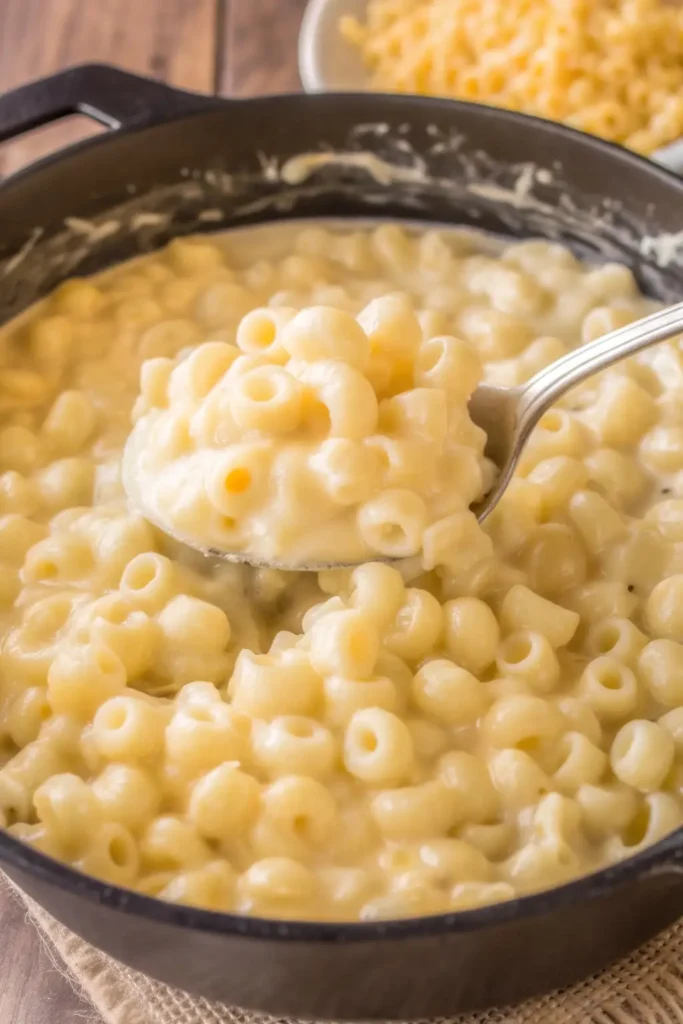
Add the drained, cooked pasta to the cheese sauce. Gently fold the pasta into the sauce using a large spoon or spatula, ensuring every piece gets coated with creamy cheese sauce. The pasta will absorb some sauce, creating that perfect creamy consistency.
If the mixture seems too thick, add a splash of milk or reserved pasta water to reach your desired consistency. If it seems too thin, let it sit for a minute—it will thicken as it stands.
Step 6: Serve Immediately
Stovetop mac and cheese is best served immediately while hot and at its creamiest. Spoon into bowls and top each serving with a sprinkle of extra shredded cheddar cheese. The heat from the mac and cheese will partially melt the cheese topping, creating an extra cheesy experience.
Pro Tips for Perfect Mac and Cheese
Shred Your Own Cheese: This cannot be emphasized enough. Pre-shredded cheese contains anti-caking agents that prevent smooth melting. Freshly shredded cheese from a block melts into silky, creamy sauce.
Cook Pasta Al Dente: Slightly undercook the pasta because it continues softening in the hot sauce. Mushy pasta ruins mac and cheese texture.
Whisk Constantly When Adding Milk: Gradual milk addition with constant whisking prevents lumps. Be patient during this step.
Don’t Overheat Cheese: Remove sauce from heat before adding cheese. Overheated cheese becomes grainy and can separate.
Adjust Consistency: Add milk to thin or let sit to thicken. Mac and cheese should be creamy and coat pasta without being soupy.
Serve Fresh: This dish is best right after making. It thickens as it sits and cools.
Creative Variations and Add-Ins
Bacon Mac and Cheese: Stir in 6-8 slices of cooked, crumbled bacon before serving. The smoky, salty bacon adds incredible flavor.
Buffalo Chicken: Add 2 cups shredded rotisserie chicken and 1/4 cup buffalo sauce for spicy, protein-packed mac and cheese.
Broccoli Cheddar: Fold in 2 cups steamed broccoli florets for added nutrition and color.
Lobster Mac and Cheese: Add 1 pound chopped cooked lobster meat for an upscale version. Use gruyere cheese for best results.
Three Cheese: Use cheddar, fontina, and parmesan for extra cheesy flavor. Replace 1/4 cup fontina with grated parmesan.
Truffle Mac and Cheese: Add 1-2 teaspoons truffle oil just before serving for luxurious, earthy flavor.
Jalapeño Popper: Add diced jalapeños and cream cheese for spicy, tangy mac and cheese.
Caramelized Onion: Stir in caramelized onions for sweet, savory depth.
Storage and Reheating
Refrigerator Storage: Store leftover mac and cheese in an airtight container in the refrigerator for up to 3-4 days. The sauce will thicken as it cools and sits.
Reheating on Stovetop: Place mac and cheese in a saucepan over low heat. Add a splash of milk (2-4 tablespoons) and stir frequently until heated through and creamy again. This is the best reheating method.
Reheating in Microwave: Place mac and cheese in a microwave-safe bowl. Add a splash of milk, cover loosely, and microwave in 30-second intervals, stirring between each, until hot.
Freezing: Mac and cheese can be frozen for up to 2 months, though the texture may change slightly. Freeze in airtight containers. Thaw in refrigerator overnight and reheat with extra milk to restore creaminess.
Frequently Asked Questions
Can I use different pasta shapes? Yes! Any small pasta works well. Shells, rotini, cavatappi, penne, or fusilli all hold sauce nicely. Just cook according to package directions until al dente.
Why is my sauce lumpy? Lumps form when flour isn’t whisked well into butter, or when milk is added too quickly. Whisk the roux thoroughly and add milk very gradually while whisking constantly.
Can I make this with skim milk? Not recommended. Skim milk lacks the fat needed for rich, creamy sauce. Use at least 2% milk, though whole milk produces the best results.
Why is my cheese sauce grainy? The cheese was overheated or you used pre-shredded cheese. Always remove sauce from heat before adding cheese, and shred cheese yourself from a block.
Can I make this ahead? Mac and cheese is best fresh, but you can make it 1-2 hours ahead and keep warm over very low heat, stirring occasionally. Add milk as needed to maintain consistency.
How do I make it extra creamy? Use whole milk or add 1/4 cup heavy cream. Make sure your sauce is properly thickened before adding cheese. Use freshly shredded cheese.
Can I double this recipe? Absolutely! Use a large pot and double all ingredients. You may need slightly more time to thicken the sauce since there’s more volume.
This homemade stovetop macaroni and cheese proves that comfort food doesn’t have to be complicated or time-consuming. With simple ingredients, proper technique, and just 20 minutes, you can create creamy, cheesy mac and cheese that’s far superior to anything from a box. Once you try this recipe, you’ll never want boxed mac and cheese again!

Homemade Stovetop Macaroni and Cheese
Equipment
- Large pot
- Colander
- Saucepan or large skillet
- Whisk
- Wooden spoon or spatula
- Measuring Cups and Spoons
Ingredients
- Cheese Sauce
- 1/4 cup unsalted butter (50g)
- 1/4 cup all-purpose flour (32g)
- 1/4 tsp salt
- 1 dash black pepper
- 2 cups whole milk or 2% milk (480ml)
- 1 cup shredded sharp cheddar cheese (125g)
- 1 cup shredded fontina or gruyere cheese (125g)
- Pasta
- 2 1/2 to 3 cups dried elbow macaroni (yields 5–6 cups cooked)
- salt for pasta water
- For Serving
- extra shredded cheddar cheese, for topping
Instructions
- Bring a large pot of salted water to a boil. Cook macaroni according to package directions until al dente (7–8 minutes). Drain without rinsing.
- In a saucepan over medium-low heat, melt butter. Add flour and whisk constantly for 1–2 minutes until smooth and lightly bubbling. Season with salt and pepper.
- Slowly whisk in milk, starting with a splash at a time. Continue whisking as sauce thickens, 5–7 minutes, until it coats the back of a spoon.
- Remove from heat. Stir in cheddar and fontina until fully melted and sauce is smooth and glossy.
- Fold cooked pasta into the cheese sauce until evenly coated. Adjust consistency with a splash of milk if needed.
- Serve hot, topped with extra shredded cheddar if desired. Enjoy immediately for the creamiest texture.